من نحن
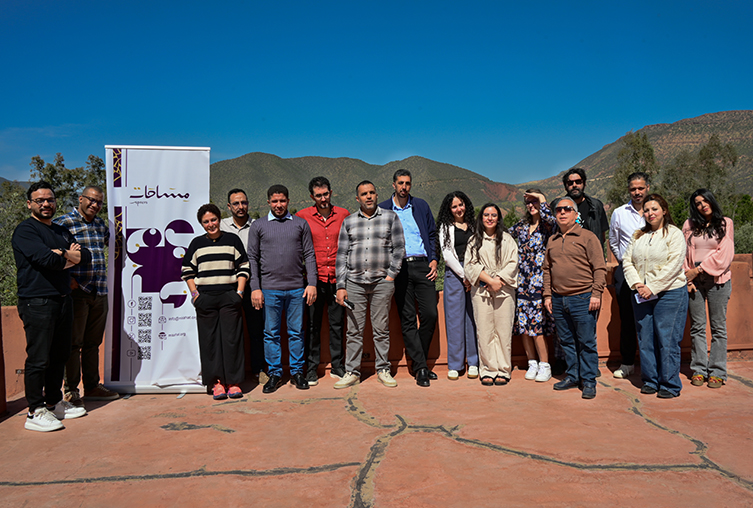
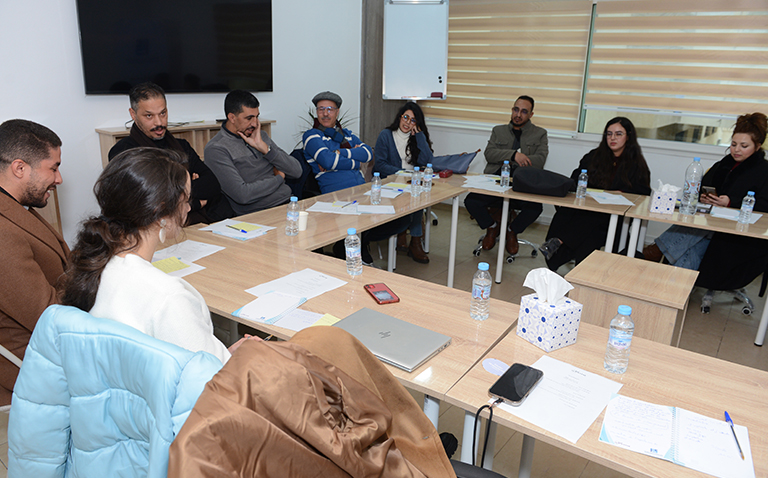
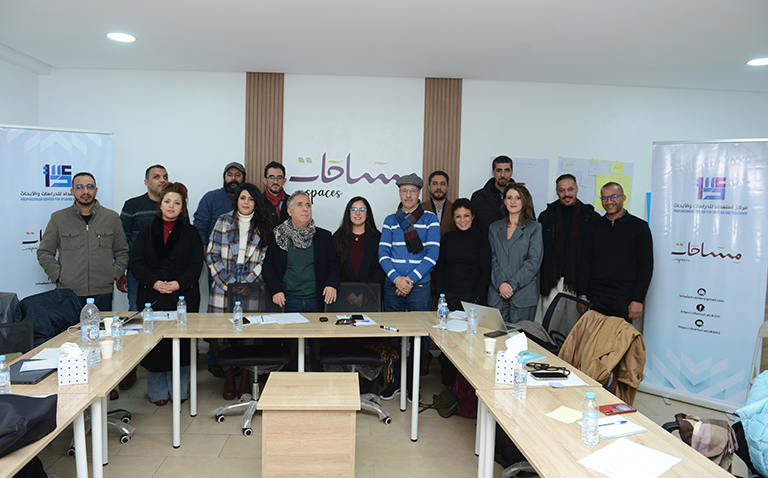
يهدف مركز مساحات للدراسات والأبحاث إلى خلق فضاءات جماعية للتفكير والتفاعل والتقاسم ونقل المعارف، وتسخير البحث العلمي الاجتماعي للدفاع عن قضايا الديمقراطية وحقوق الإنسان والعدالة. ومن هذا المنطلق، يتصور هذا الفضاء رسالته وسيلةً للمقاومة الاجتماعية والثقافية من خلال الإنتاج الجماعي للمعرفة النقدية والتحريرية والتفكيكية لواقع محدودية ولوج الأفراد والمجموعات إلى حقوقهم.
ينهج مركز مساحات مقاربة نقدية تعمل على تجاوز الخطابات المُهيمنة والتبريرية بشأن اللامساواة والتهميش والإقصاء والتمييز، ويشجع على إنتاج وبناء سرديات بديلة تُسمع صوت المهمشين والمستبعدين والموصومين، وتقديم تجاربهم الاجتماعية وطرائق مقاوماتهم اليومية بواسطة أدوات الوصف والتحليل التي تتيحها العلوم الاجتماعية.
صُمم مركز مساحات ليكون فضاءا للتحالف والتفاعل بين الباحثين المنخرطين ومختلف الفاعلين الحاملين لأفكار التغيير الاجتماعي؛ “مساحات” تساعد النشطاء المدنيين على الممارسة الفعّالة في بيئتهم والتأمل في أساليب اشتغالهم وحدودها وأوضاع وتحولات المجموعات التي يدافعون عنها كما تُمّكن الباحثين في المقابل من الانخراط في قضايا العدالة الاجتماعية والتفاعل بأشكال مختلفة في ديناميات التغيير والترافع والمقاومة.
This new initiative, called “Misahate”, is designed as collective spaces for thinking, interaction, exchange of knowledge and use the social science to defending democracy, human rights and justice. Misahate aims to be a means for social and cultural resistance through the collective production of critical and emancipatory knowledge of realities that limit individuals and groups to access to their rights.
Istiadad’s approach to this project works on criticizing the Dominant and justificatory discourses about inequality, exclusion, and discrimination. It promotes to product new narrations and provide opportunities to give a voice to the oppressed and stigmatized people, As well as present their social experiences and ways of daily resistance and suffering, depending on what social sciences have to offer in terms of description and analyses.
Misahate was primarily created as a space for alliance and interaction between engaged researchers and other actors of social change. It supported civil society movement building, shared and acquired the necessary knowledge for effective action and to reflect on itself and its environment, practices, and understand the evolution of the social groups that it defends. In the same time, enabled researchers to engage with social justice issues and interact with various dynamics of change, resistance and advocacy.